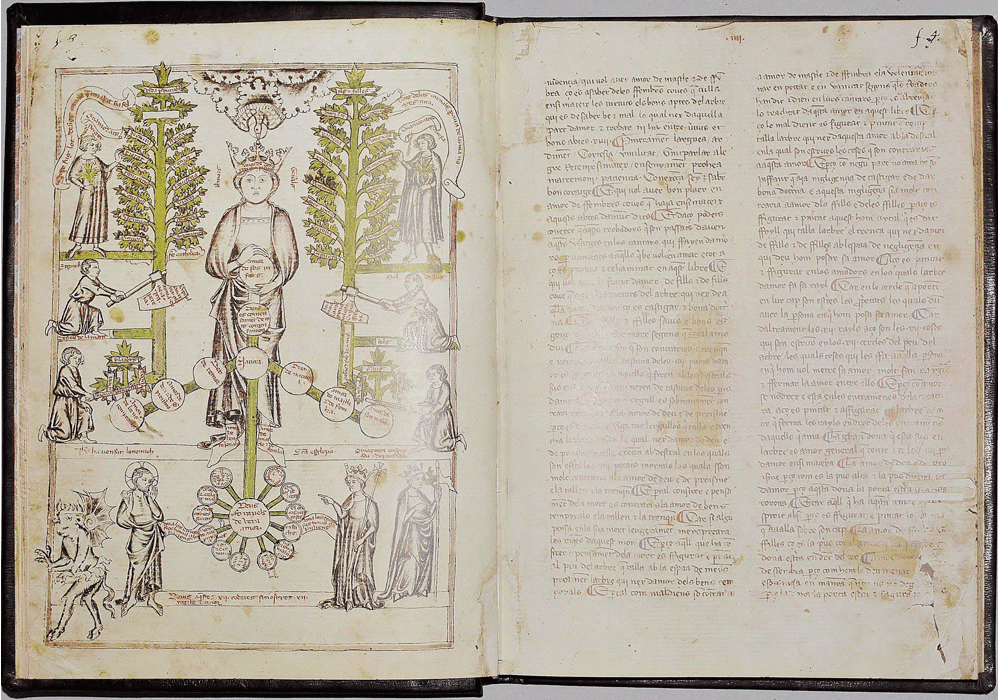
RestoreAged & FragileHistorical Document RestorationManuscript CleanupFaded Ink RecoveryArchive-Ready EnhancementOld Record RepairDamaged Page ReconstructionReadable Digital PreservationAncient Text CleanupHistorical Document Restoration
Clean old manuscripts, improve faded text, reduce stains, soften age damage, and prepare historical records for modern viewing with a refined black-and-white archival restoration workflow.
Built for archives, researchers, institutions, and personal preservation
Mode
Historical Repair
Output
Archive Ready
Focus
Text Clarity
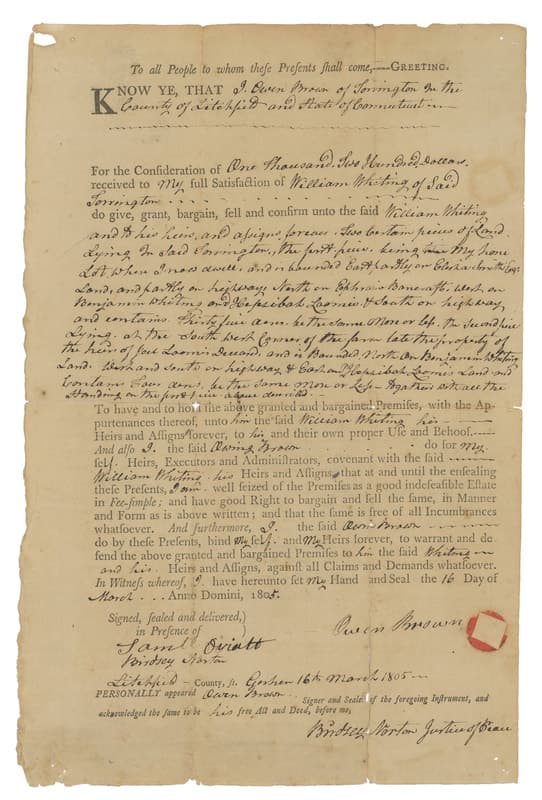
Designed for old and delicate records
Improve visibility while respecting the visual identity of historical documents.
99.9%
Preservation-first workflow
10x
Faster than manual cleanup
24/7
Available for batch restoration
PDF / JPG / PNG
Flexible export support
Built for preservation-focused teams
See the workflow
Restore historical pages with a cleaner, calmer workflow
Designed to feel premium, minimal, and archive-friendly. Use it to improve difficult pages before transcription, storage, review, or publishing.
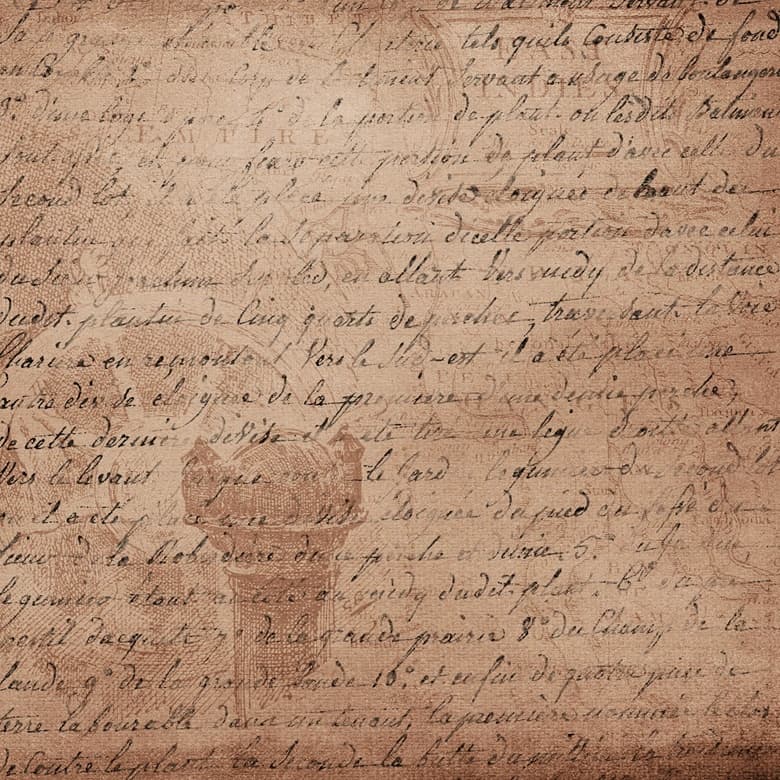
historical-record-restore.pdf
Detected restoration targets
Faded Text
High
Stain Removal
Enabled
Paper Noise
Reduced
Contrast Repair
Balanced
Edge Damage
Detected
Archive Output
Ready
This layout helps users quickly understand what the system can improve: faded writing, surface stains, damaged edges, weak contrast, and overall readability.
The product
What is Historical Document Restoration?
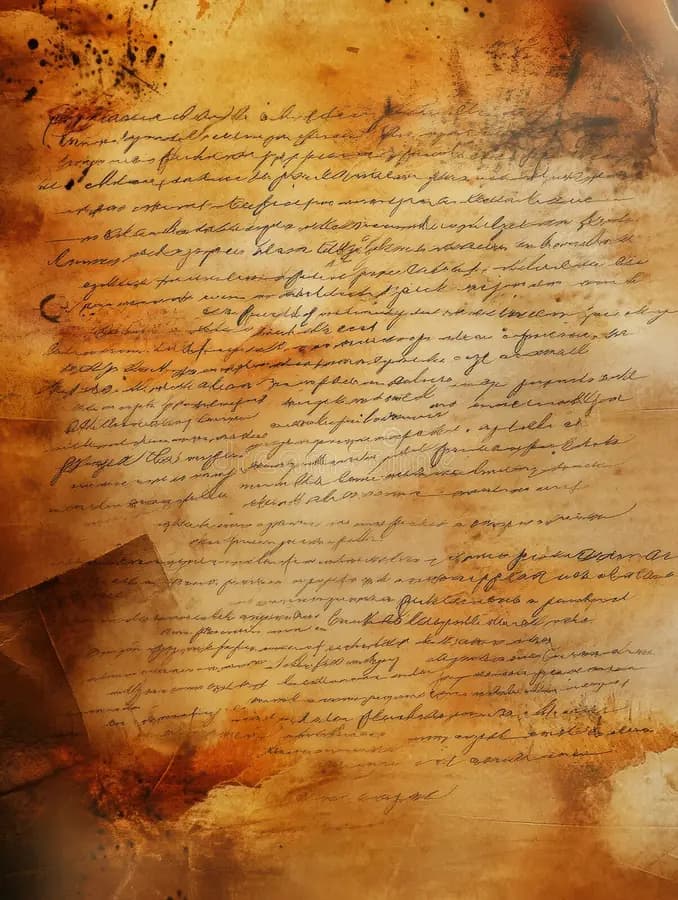
It is an AI-assisted process that improves old and degraded paper documents by reducing visual damage and increasing readability. This includes faded text recovery, stain cleanup, visual repair of torn or incomplete regions, and gentle enhancement for preservation and access.
Improves difficult scans without harsh overprocessing
Supports archival, academic, and personal preservation use cases
Keeps the experience elegant, minimal, and easy to understand
How it works
How does historical document restoration work?
01
Upload fragile or scanned pages
Add manuscripts, archive scans, letters, registers, certificates, or book pages with visible fading, stains, folds, and age damage.
02
AI restores damaged areas
The system improves faded text, reduces background stains, repairs torn sections visually, and enhances readability while preserving the original character.
03
Export for archive or research use
Download cleaner, readable outputs for storage, indexing, printing, transcription, or long-term digital preservation workflows.
Key capabilities
What can be improved in historical pages?
Focus on the kinds of damage commonly found in archives, old books, family papers, handwritten notes, and preserved records.
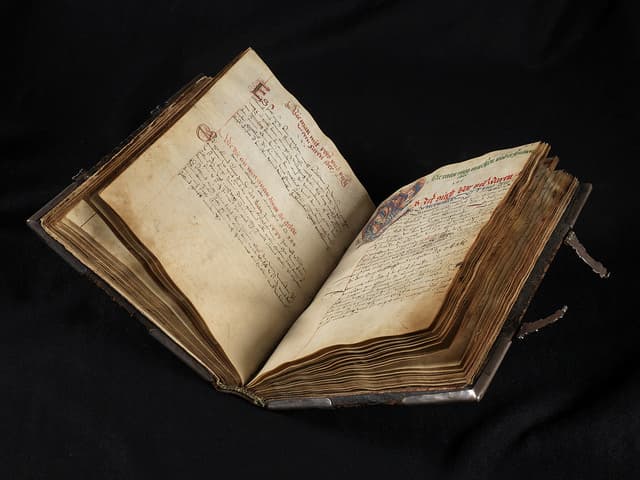
Why this page
Why choose this historical restoration experience?
Made to feel elegant and premium while keeping the restoration story clear for users, institutions, and preservation teams.
Remove stains and paper aging marks
Reduce discoloration, spots, blotches, and uneven backgrounds from old pages without making the document look artificial.
Recover faded handwriting and print
Improve visibility of light ink, worn typewritten text, and low-contrast content in historical records.
Preserve original texture and style
Keep the authentic look of paper, ink flow, and structure while improving readability for modern use.
Enhance readability for research
Make difficult pages easier to inspect, transcribe, compare, and study across collections and archives.
Safe for sensitive archives
Ideal for legal records, rare family papers, church books, museum documents, and institutional archives.
Batch-ready restoration workflow
Speed up large digitization projects with a process designed for repeated, high-volume historical document cleanup.
Use cases
Built for real historical restoration needs
Whether the goal is preservation, access, readability, or digitization at scale, this page structure supports clear storytelling for the product.
For libraries and archives
Prepare collections for digital access, indexing, and long-term storage while keeping document integrity in focus.
For researchers and historians
Spend less time struggling with faded pages and more time analyzing the content that matters.
For personal preservation
Restore old family records, letters, certificates, and handwritten notes into cleaner digital copies.
FAQs
Your questions, answered
Clear answers for people exploring historical document restoration, digitization, and archive-quality cleanup.
Ready to start?
Preserve your historical documents with a cleaner digital experience
Restore damaged pages, improve readability, and create archive-ready outputs with a modern AI workflow.
Historical document restoration
Elegant, readable, archive-friendly restoration page
This page follows the structure you wanted, but uses a refined black-and-white design with soft containers, premium spacing, clear content blocks, and historical document-focused messaging.