
Restoring the
Written Legacy
Professional restoration of historical manuscripts, ancient scrolls, and rare codices. Preserving the wisdom, artistry, and cultural heritage of the written word for future generations.
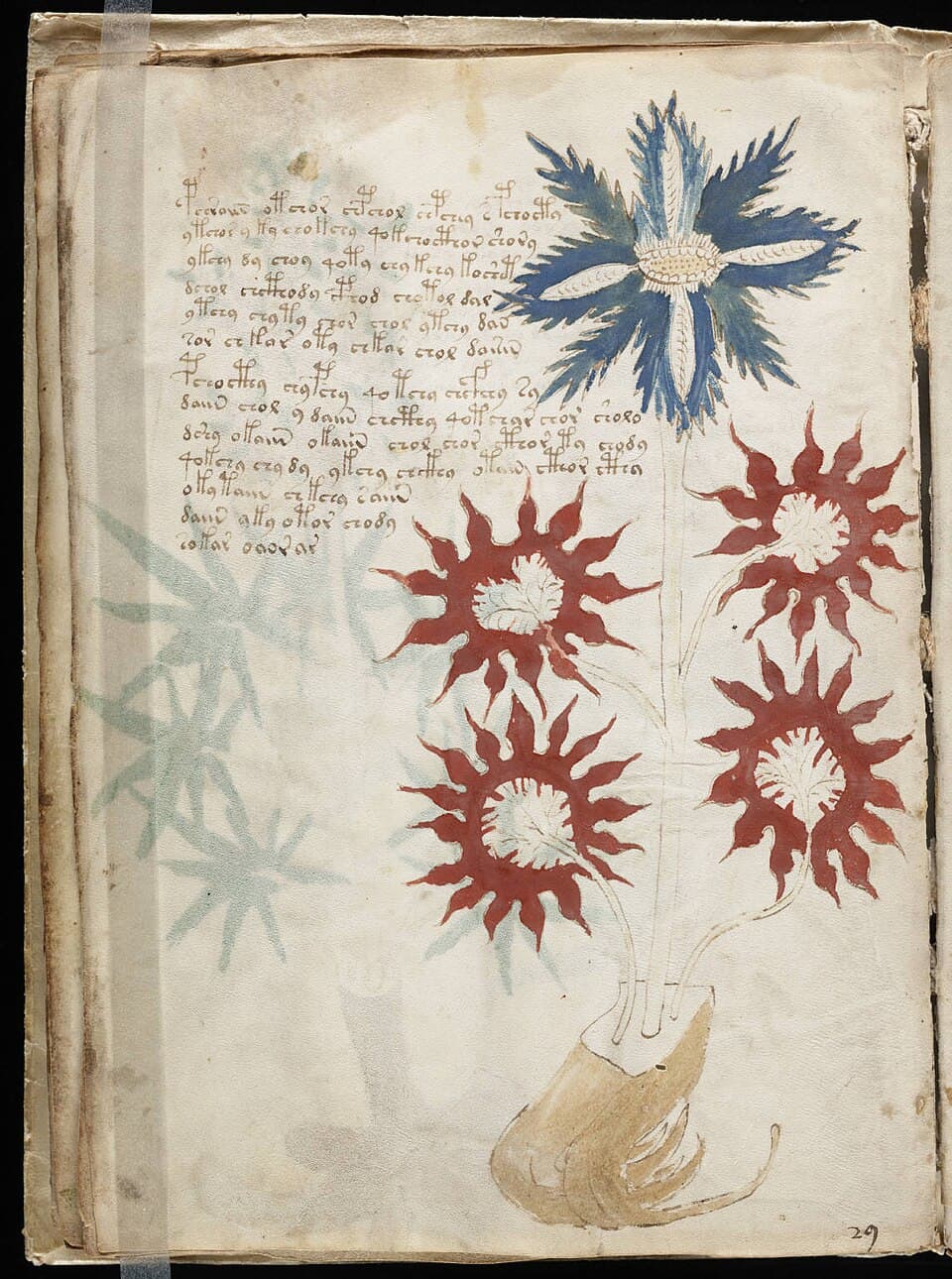
12th Century Illuminated Manuscript
Before & After Restoration
5,000+
Manuscripts Restored
1,200+
Years of History Preserved
98.5%
Text Recovery Rate
200+
Institutional Partners
Manuscripts We Restore
From ancient scrolls to literary treasures
Ancient Scrolls
Papyrus, parchment, and vellum scrolls from antiquity
Illuminated Manuscripts
Medieval texts with decorative elements and gold leaf
Handwritten Codices
Bound books with handwritten content from various eras
Literary Manuscripts
Author drafts, poetry collections, and literary works
Monastic Texts
Religious manuscripts, prayer books, and theological works
Historical Archives
Government records, charters, and institutional documents
Advanced Restoration Techniques
Preserving history with precision and care
Surface Cleaning
Gentle removal of dirt, dust, and surface contaminants without damaging the substrate
Text Recovery
Advanced digital techniques to reveal faded, erased, or obscured text and marginalia
Tear & Loss Repair
Meticulous reconstruction of torn pages and填补 missing sections
Ink Stabilization
Preserving and enhancing iron gall ink, carbon ink, and other historical writing materials
Color Restoration
Reviving faded illuminations, rubrications, and decorative elements
Page Alignment
Straightening skewed pages and correcting distortions from binding
Watermark Analysis
Identifying and preserving paper watermarks for provenance research
Parchment Repair
Specialized techniques for animal skin manuscripts and vellum documents
Batch Digitization
Efficient processing of large manuscript collections for archives
Common Preservation Challenges
Understanding the threats to historical manuscripts
Iron Gall Ink Corrosion
Chemical deterioration that eats through paper and parchment over time
Mold & Fungal Growth
Biological damage that stains and weakens manuscript materials
Foxing & Staining
Reddish-brown spots and discoloration from paper degradation
Binding Deterioration
Damaged covers, loose pages, and failing structural elements
Water & Fire Damage
Catastrophic damage from environmental disasters
Fading & Light Damage
UV exposure causing ink and pigment degradation
Manuscripts Across History
Preserving the written word through the ages
Ancient (3000 BCE - 500 CE)
Papyrus scrolls, cuneiform tablets, early codices
Medieval (500 - 1500 CE)
Illuminated manuscripts, monastic texts, Book of Kells style
Renaissance (1400 - 1600 CE)
Humanist manuscripts, scientific texts, personal notebooks
Early Modern (1500 - 1800 CE)
Printed manuscripts, personal letters, legal documents
Modern (1800 - Present)
Author drafts, literary manuscripts, archival materials
Restoration Showcase
Witness the transformation of historical treasures
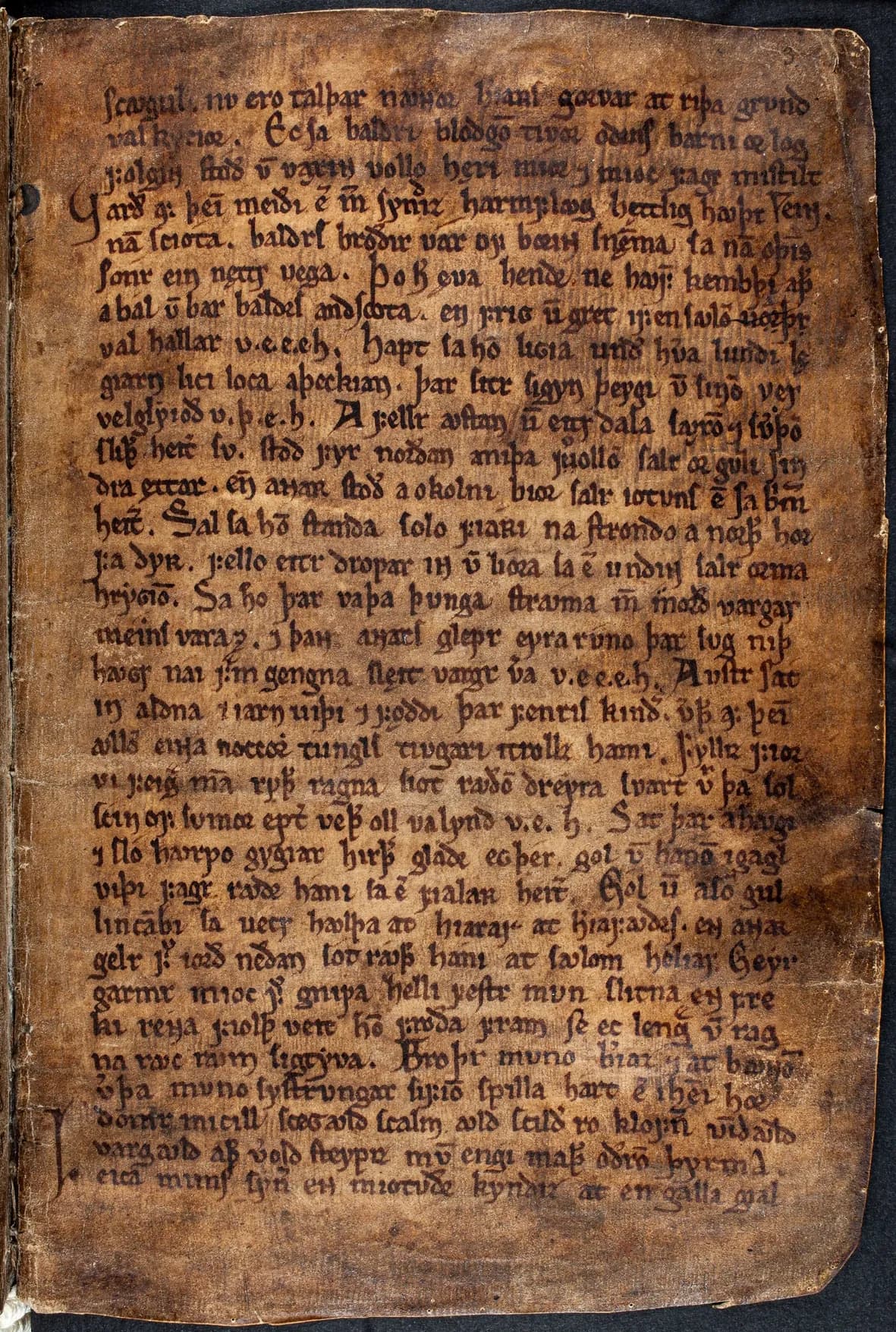
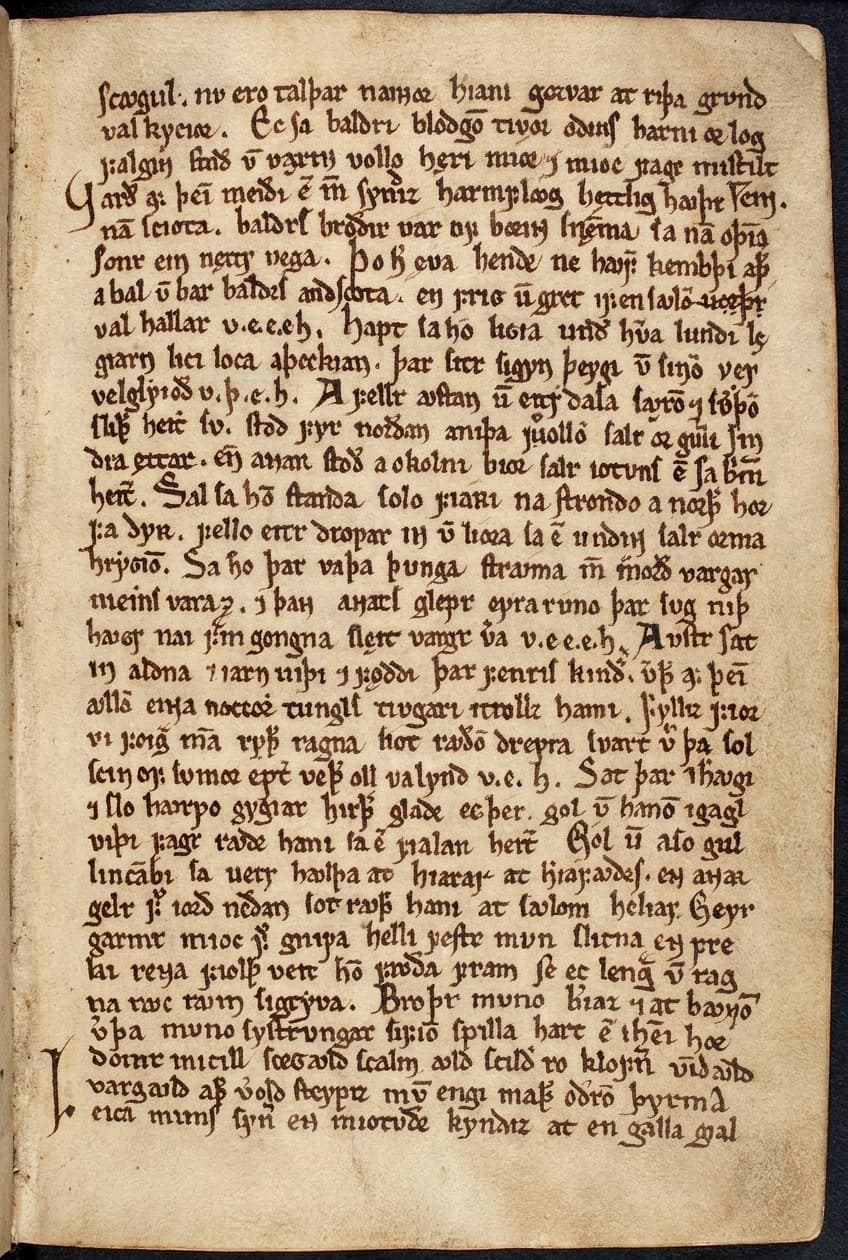
98.5%
Text Recovery Rate
+92%
Illumination Enhancement
99%
Ink Stabilization
97%
Scholar Satisfaction
Trusted by Scholars Worldwide
What leading institutions say about our work
The restoration work on our 12th-century manuscript collection exceeded all expectations. The attention to detail and respect for historical materials was exceptional.
Dr. Eleanor Vance
Curator, Bodleian Library
Critical for our research on early English manuscripts. The digital restoration revealed text layers invisible to the naked eye.
Prof. James Hawthorne
Medieval Studies, Cambridge
We've trusted them with our most precious incunabula. The results consistently honor the original craftsmanship.
Maria Santos
Rare Book Librarian
The AI-assisted restoration workflow is revolutionary. It preserves the authentic character while making texts accessible.
Dr. Robert Chen
Manuscript Scholar
Our medieval charter collection is now fully digitized and restored. A remarkable achievement for preservation.
Sarah Williams
Archive Director
The recovery of faded Gaelic script in our 15th-century manuscript was nothing short of miraculous.
Prof. Michael O'Brien
Celtic Studies
Our Restoration Process
Meticulous care at every stage
Assessment
Comprehensive analysis of materials, damage, and historical context
Digital Capture
High-resolution scanning with specialized lighting techniques
Restoration
AI-assisted repair of damage while preserving authenticity
Preservation
Archive-grade output for research and display
Frequently Asked Questions
Expert answers about manuscript restoration
Preserve Your Literary Heritage
Join the world's leading institutions in preserving written history
Trusted by archives, museums, and universities worldwide